
Thailand’s fitness industry is currently booming. At the center of this growth is Bangkok, a city that has rapidly transformed into a regional hub for wellness and modern fitness facilities. From massive commercial gyms to niche studios, the options for staying active are endless. Yet, for the international community living in the city, navigating this vast landscape comes with a unique set of challenges.
One of the most common hurdles for expats, long-stay tourists, and digital nomads is finding a qualified professional who can communicate effectively. The growing demand for an English-speaking trainer in Bangkok is entirely understandable. When you are lifting heavy weights or learning a complex new movement, clear communication is an absolute necessity. Language barriers can easily compromise workout safety, lead to poor form, and ultimately diminish your overall training confidence.
This comprehensive guide will walk you through everything you need to know about navigating the local fitness scene. We will explore exactly where to find top-tier coaching, what credentials to look out for, and how to understand the cost of a personal trainer in Bangkok. You will also learn practical tips for training safely in the city’s unique tropical climate, ensuring your fitness journey is both effective and sustainable.
Where to Find English-Speaking Trainers in Bangkok
Bangkok offers a diverse array of training environments. Knowing where to look is the first step in matching your fitness goals with the right facility and the right coach.
Commercial Gyms and Fitness Chains
Large commercial fitness chains are highly accessible, with branches located along the BTS and MRT lines. These facilities frequently staff bilingual trainers to cater to their diverse membership base. While this is a convenient option, the level of English proficiency among staff can vary significantly. Some trainers may possess basic gym-floor English—enough to count reps and name machines—but they might struggle to explain the deeper biomechanics of an exercise or navigate complex injury histories.
The Rise of Boutique Studios
For those seeking a more specialized experience, the surge of boutique gyms that Bangkok has to offer provides an excellent alternative. Facilities focusing on high-intensity interval training (HIIT), strength and conditioning, and Pilates heavily cater to the international crowd. These studios typically employ fluent or native English-speaking coaches who lead small group classes and offer private sessions. The environment is highly community-driven, making it a great place to meet other health-conscious expats.
Condo Gyms and Outdoor Settings
Bangkok boasts a strong “convenience-first” culture, largely driven by the city’s infamous traffic. Many expats prefer the simplicity of training in their residential condo gyms. Alternatively, outdoor settings like Lumphini Park or Benjakitti Park are incredibly popular for track workouts and functional training. If you choose this route, you can hire a certified personal trainer for expats in Bangkok who travels directly to your location, saving you valuable commute time.
Online and Hybrid Coaching
Busy professionals are increasingly adopting flexible workout routines. Reflecting the latest Bangkok fitness trends in 2025, hybrid coaching models are gaining serious traction. This approach combines the accountability of an app-based programming system with the precision of one or two in-person sessions a week. It is a highly efficient way to maintain a structured fitness regime despite a demanding travel schedule or unpredictable work hours.
Qualifications and Professional Standards
A great physique does not automatically make someone a great coach. When vetting a potential trainer, prioritizing professional education and safety certifications is essential.
Internationally Recognized Certifications
Reputable trainers invest in their education through internationally recognized organizations. Credentials from bodies like the National Academy of Sports Medicine (NASM), the American Council on Exercise (ACE), the National Strength and Conditioning Association (NSCA), or the International Sports Sciences Association (ISSA) indicate a solid foundational knowledge. These certifications show that the trainer understands anatomy, exercise physiology, and evidence-based program design.
Emergency Preparedness
Basic first-aid training and CPR/AED certifications are non-negotiable safety signals. This is particularly crucial if you plan on exercising in unsupervised condo gyms or outdoor parks where medical assistance is not immediately available. A professional coach will always prioritize your safety above all else.
Understanding the Scope of Practice
A qualified personal trainer understands their professional boundaries. They are experts in fitness, movement, and habit building, but they are not physiotherapists or medical doctors. If you are dealing with chronic pain or a specific clinical injury, a good coach will refer you to a medical professional. They will then work collaboratively with that professional to adjust your training load safely.
What to Expect in Your First Session
The initial session with a new coach sets the tone for your entire fitness journey. It should feel like a collaborative assessment rather than a punishing boot camp.
Health History and Goal Setting
A professional trainer will begin with a thorough consultation. They will ask about your medical history, past injuries, lifestyle factors, and dietary habits. This is the time to discuss your specific expat fitness goals in Bangkok, whether that involves losing body fat, building strength, or simply countering the postural effects of a sedentary desk job.
Movement Assessments
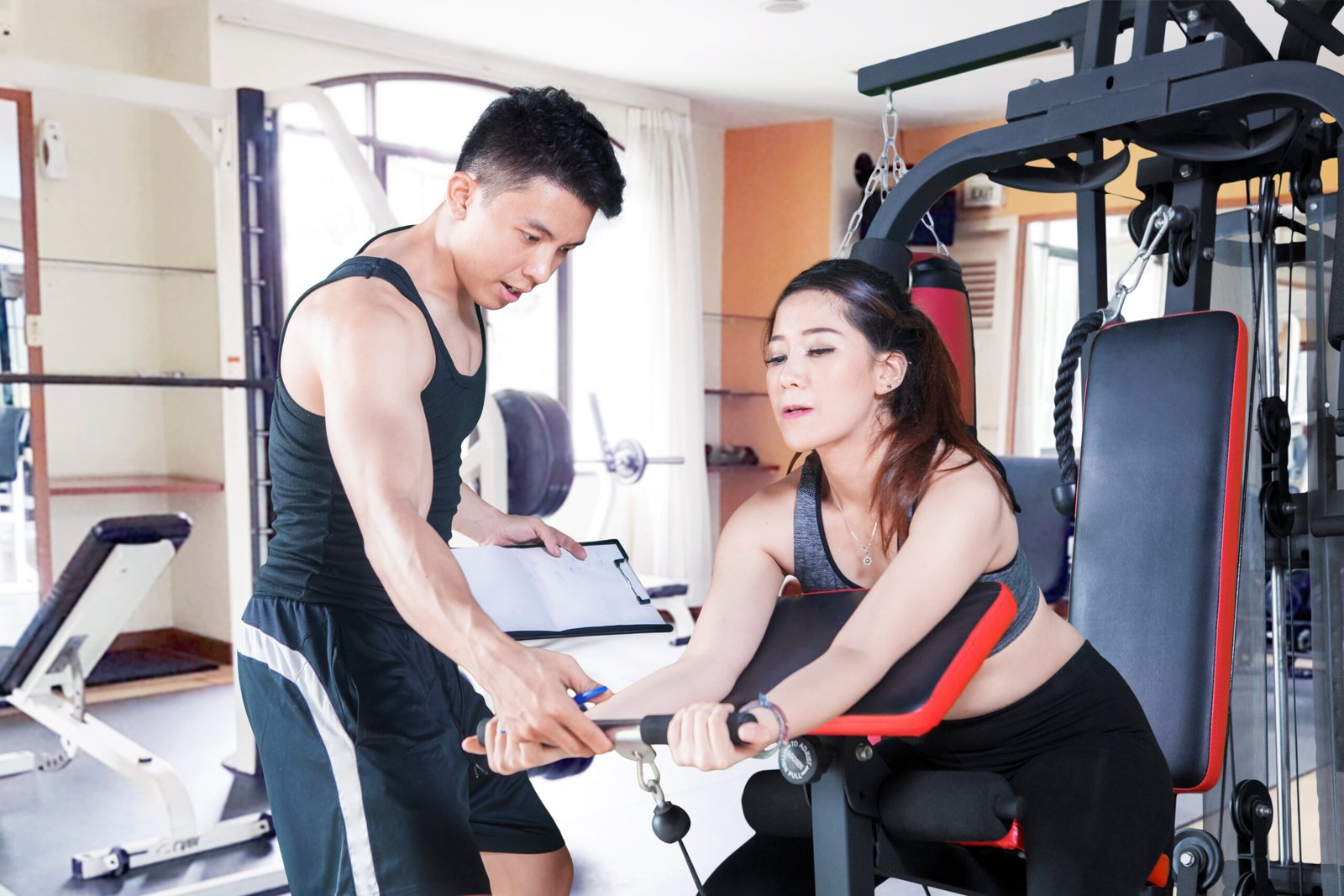
Expect your coach to conduct a baseline movement screen before you touch any heavy weights. They will assess fundamental patterns such as the squat, hinge, push, pull, and carry. This allows them to identify any mobility restrictions or muscular imbalances. By understanding how your body moves, they can tailor a program that mitigates injury risk while maximizing results.
Technique Instruction and Tracking
Clear English cues are vital during this phase. Your trainer will explain not just how to perform an exercise, but why it is included in your program. Furthermore, they will outline their tracking methodologies. Reputable coaches use training logs, performance markers, and sometimes body composition tools to ensure you are making measurable progress over time. If you want to get a head start on understanding your nutritional baseline, using a calorie calculator can provide valuable insight into your daily energy needs.
Pricing and Packages
Understanding the financial investment required for professional coaching can help you budget effectively and choose the right service tier.
What Drives the Cost
The cost of a personal trainer in Bangkok varies widely based on several factors. The seniority and specialization of the trainer play a major role. Location is another significant driver; training in premium facilities in central Sukhumvit will naturally carry a higher price tag than training in suburban areas. Additionally, private studios have higher overheads, which are often reflected in their rates.
Common Pricing Structures
Consumers can generally expect three main pricing models. Single drop-in sessions are the most expensive per hour but offer maximum flexibility. Monthly coaching bundles provide a slight discount and encourage the consistency needed to see actual results. Semi-private training—where you share the session with one or two other people—offers a middle ground, reducing the cost while still providing highly individualized attention.
What is Typically Included
Premium pricing usually comes with valuable add-ons. You are not just paying for an hour on the gym floor; you are paying for comprehensive program design. This often includes nutritional habit coaching, regular progress reviews, and messaging support outside of your scheduled workouts. For a truly tailored approach, investing in dedicated personal training in Bangkok ensures you receive this holistic level of support.
Bangkok-Specific Realities for Fitness
Training in Thailand requires adapting to the local environment. A smart fitness plan takes the climate and city infrastructure into account.
Dealing with Heat and Humidity
The intense heat and high humidity can dramatically increase your perceived exertion and the risk of dehydration. If you choose to train outdoors, schedule your workouts for the early morning or late evening. Managing your hydration and electrolyte intake is critical. Your coach should closely monitor your rest periods and adjust the intensity of the workout to match the weather conditions.
Exercising Safely During PM2.5 Season
Bangkok experiences seasonal air quality issues, commonly known as PM2.5 haze. Exercising vigorously outdoors on highly polluted days places severe strain on your respiratory system. A responsible trainer will actively monitor air quality indexes and seamlessly shift your sessions indoors when the pollution levels become hazardous.
Practicalities of City Training
Logistics matter when building a sustainable fitness routine. Consider the proximity of the gym to the BTS or MRT lines to avoid losing hours in rush hour traffic. If you plan to train in your residential building, double-check your condo management’s rules regarding outside guests, as some buildings require trainers to register or pay a small fee.
Red Flags vs. Green Flags
When evaluating a potential fitness coach, keep an eye out for these key indicators.
Green Flags to Look For:
- A structured, clearly explained assessment process.
- Evidence-based progressions rather than random daily workouts.
- Clear, consensual tactile cueing (asking permission before touching you to correct form).
- A willingness to explain the “why” behind their programming decisions.
Red Flags to Avoid:
- Pushing extreme diets, generic meal plans, or aggressive “detox” supplements.
- Skipping the initial movement assessment and jumping straight into heavy lifting.
- Lacking the necessary English vocabulary to provide critical safety cues during complex exercises.
- Guaranteeing unrealistic, overnight results.
Ready to Transform Your Fitness Journey?
Finding the right English-speaking trainer in Bangkok offers more than just a good sweat. It provides you with a structured, safe, and sustainable path toward your health goals. By verifying qualifications, understanding the local pricing structures, and keeping an eye out for coaching green flags, you can confidently navigate the city’s dynamic fitness landscape.
Take a moment to write down your specific goals and any past injuries. Use this information to vet potential coaches, asking them directly how they plan to address your unique needs. If you are ready to take the next step toward building strength and creating lasting habits, reach out and contact Fit With Gopal to book a free consultation and discuss your fitness potential today.

Frequently Asked Questions
How many days a week should I train with a personal trainer?
For most beginners and busy professionals, two to three sessions per week provide the optimal balance of stimulus and recovery. This frequency allows you to learn proper technique while giving your body time to adapt to the new physical demands.
Do trainers in Bangkok speak fluent English?
The proficiency level varies greatly. While commercial gym trainers may have functional gym vocabulary, independent coaches and those catering to expats are typically fluent or native speakers, ensuring clear communication regarding safety and program design.
Will a personal trainer give me a strict meal plan?
A qualified trainer will provide nutritional guidance, help you understand energy balance, and coach you on sustainable habits. However, diagnosing medical conditions or prescribing clinical meal plans falls outside their scope of practice and requires a registered dietitian.